Inspection, Repair & Replacement
Sewer Line Services in Kissimmee, FL
Backups, slow drains, and foul odors often point to sewer line problems. We diagnose issues with camera inspections and offer repair options from traditional excavation to trenchless methods.
🌳 Trenchless Options
🛡️ Licensed #CFC1434249
⚠️ Signs of Sewer Line Problems
- Multiple drains backing up at once
- Gurgling sounds from toilets or drains
- Sewage smell inside or outside your home
- Slow drains throughout the house
- Wet or soggy spots in your yard
- Unusually green patches of grass
- Foundation cracks or settling
- Sewage backup in lowest fixtures
Sewage backing up into your home? This is a health hazard. Call us immediately at (407) 881-2944 for emergency service.
Your Sewer Line: The Most Important Pipe You Never Think About
Every drain in your home—sinks, showers, toilets, washing machine—flows into a single pipe that carries wastewater out to the municipal sewer or your septic system. This is your main sewer line, and when it fails, nothing in your house drains properly.
Sewer lines are buried underground, out of sight and out of mind. Most homeowners don’t think about them until something goes wrong. Unfortunately, by the time you notice symptoms—backups, odors, slow drains—the problem has often been developing for months or years.
Sonik Plumbing Services provides complete sewer line services throughout Kissimmee and Central Florida. We use video camera inspections to see exactly what’s happening inside your pipes, then recommend the most effective and least disruptive repair solution. Whether you need a simple cleaning, a targeted repair, or a full sewer line replacement, our licensed plumbers have the expertise and equipment to handle it.
Our Sewer Line Services
📹 Sewer Camera Inspection
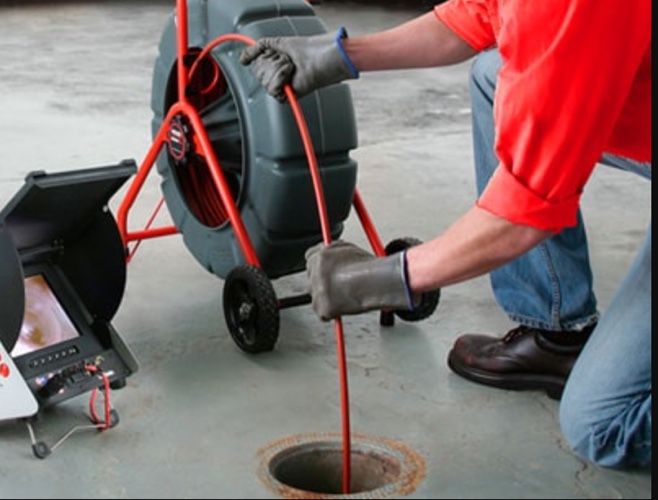
A high-definition waterproof camera travels through your sewer line, transmitting real-time video to a monitor. We see exactly what’s causing the problem—roots, cracks, collapse, buildup, or foreign objects—and precisely where it’s located. No guessing, no unnecessary digging.
Used for: Diagnosing problems, locating damage, pre-purchase inspections, verifying repairs
🚿 Sewer Line Cleaning
Buildup of grease, debris, and waste can restrict flow without completely blocking the line. Professional sewer cleaning using hydro-jetting scours the interior pipe walls, restoring full flow capacity and removing the buildup that causes recurring problems.
Used for: Grease buildup, partial blockages, preventive maintenance, slow drains
🌳 Tree Root Removal
Tree roots are the #1 cause of sewer line damage in Florida. Roots seek out the moisture and nutrients inside sewer pipes, infiltrating through tiny cracks and joints. We cut through root masses with specialized equipment and can recommend solutions to prevent regrowth.
Used for: Root infiltration, recurring backups, older clay or cast iron pipes
🔧 Sewer Line Repair
When camera inspection reveals cracks, joint failures, or localized damage, targeted repair may restore function without replacing the entire line. We offer both traditional excavation repair and trenchless options depending on the situation and your property.
Used for: Cracks, joint failures, bellied sections, localized damage
🏗️ Sewer Line Replacement
Severely damaged, collapsed, or deteriorated sewer lines require full replacement. We install new sewer lines using durable modern materials and offer both traditional excavation and trenchless pipe bursting methods. We’ll recommend the best approach for your specific situation.
Used for: Collapsed pipes, extensive root damage, deteriorated clay/Orangeburg pipes
🏠 Sewer Line Installation
For new construction or properties connecting to municipal sewer for the first time, we install complete sewer line systems. We handle permitting, excavation, pipe installation, connections, inspection coordination, and backfill—a turnkey solution from start to finish.
Used for: New construction, septic-to-sewer conversion, property additions
What Causes Sewer Line Problems?
Understanding why sewer lines fail helps you recognize warning signs earlier and make informed decisions about repair options.
🌳 Tree Root Infiltration
Tree roots naturally seek water sources. They enter sewer lines through tiny cracks or joint gaps, then grow inside the pipe, catching debris and eventually blocking flow completely. Florida’s year-round growing season makes root problems especially common here.
⏰ Pipe Age & Deterioration
Older homes often have clay, cast iron, or Orangeburg (tar paper) sewer pipes. These materials deteriorate over decades—clay cracks, cast iron rusts through, and Orangeburg collapses. If your home was built before 1980, your sewer line may be nearing the end of its useful life.
📉 Ground Shifting & Settling
Florida’s sandy soil and high water table create conditions where ground can shift and settle over time. This movement stresses buried pipes, causing joints to separate, pipes to crack, or sections to “belly” (sag), creating low spots where waste accumulates.
🍳 Grease & Debris Buildup
Grease poured down drains coats pipe walls and hardens over time. Combined with soap residue, hair, and other debris, this buildup gradually narrows the pipe diameter until flow is severely restricted. Commercial properties and restaurants are especially prone to grease buildup.
🚽 Flushed Objects
Toilets are designed for human waste and toilet paper—nothing else. “Flushable” wipes, feminine products, cotton swabs, dental floss, and other items don’t break down properly and can catch on rough spots inside pipes, creating blockages that grow over time.
🔨 Physical Damage
Construction work, heavy vehicles driving over buried lines, or even deep fence post installation can crack or crush sewer pipes. If you’ve had recent work done in your yard and now have drain problems, physical damage is a likely cause.
Trenchless vs. Traditional Sewer Repair: Which Is Right for You?
When sewer line repair or replacement is needed, you often have a choice between traditional excavation and trenchless methods. Each approach has advantages depending on your specific situation.
🌳 Trenchless Methods
How it works:
Access points are dug at each end of the damaged section. New pipe is pulled through the existing line (pipe bursting) or a liner is inserted and cured in place (CIPP lining). Most of your yard remains untouched.
Best for:
- Established landscaping you want to preserve
- Lines running under driveways, patios, or structures
- Relatively straight pipe runs
- Pipes that are damaged but not completely collapsed
Advantages:
- Minimal landscape disruption
- Faster completion time
- No damage to driveways or sidewalks
- Less mess and restoration needed
🏗️ Traditional Excavation
How it works:
A trench is dug along the path of the sewer line, exposing the damaged pipe. The old pipe is removed and new pipe is installed. The trench is then backfilled and the surface restored.
Best for:
- Completely collapsed pipes
- Lines with multiple bends or connections
- Severely bellied (sagging) sections
- Situations where pipe routing needs to change
Advantages:
- Works for any pipe condition
- Allows inspection of surrounding soil
- Can address multiple issues at once
- Sometimes more cost-effective for shorter runs
Which method is right for your situation? After a camera inspection reveals the exact nature and location of the damage, we’ll explain your options and help you choose the approach that makes the most sense for your property, budget, and long-term needs. Call (407) 881-2944 to schedule an inspection.
Why Camera Inspection Comes First
We never recommend sewer work without first seeing what’s inside the pipe. Here’s why camera inspection is essential:
Accurate Diagnosis
See the actual problem—roots, cracks, buildup, collapse—not just symptoms. No guessing means no unnecessary work.
Precise Location
Know exactly where the damage is and how far from the house. This determines the scope of repair and allows targeted fixes.
Full Assessment
Identify all issues in one inspection. Sometimes there are multiple problems—we’ll find them all before starting work.
Video Documentation
We can provide recorded footage for your records, insurance claims, or real estate transactions.
🔍 When Should You Get a Sewer Camera Inspection?
Diagnostic Situations:
- Recurring drain backups or slow drains
- Sewage odors inside or outside
- Gurgling sounds from plumbing fixtures
- Unexplained wet areas in your yard
- Foundation issues that might be water-related
Preventive Situations:
- Buying an older home (pre-purchase inspection)
- Home is 25+ years old and never been inspected
- Large trees near the sewer line path
- Before major landscaping or construction
- After clearing a serious blockage
Sewer Pipe Materials: What’s In Your Ground?
The material of your sewer pipe affects its lifespan, failure modes, and repair options. Here’s what we commonly find in Kissimmee and Central Florida homes:
Not sure what type of sewer pipe you have? A camera inspection will tell us the material, condition, and remaining useful life of your sewer line.
Sewer Line Service Areas
We provide sewer line inspection, cleaning, repair, and replacement throughout Osceola County, Orange County, and surrounding Central Florida communities.
Orlando
St. Cloud
Celebration
Poinciana
Davenport
Lake Buena Vista
Hunter’s Creek
ZIP Codes: 34741, 34744, 34746, 34747, 34758, 34759, and surrounding areas.
Sewer Line FAQs
Sewer Problems? Let’s Find Out What’s Going On.
Don’t guess about what’s happening underground. Our camera inspections reveal the problem, and our licensed plumbers fix it right. Call today to schedule service.
Related Plumbing Services
Drain Cleaning →
Clear clogs and restore flow to all drains
Emergency Plumbing →
24/7 response for sewage backups and emergencies
Residential Plumbing →
Complete home plumbing services
Sonik Plumbing Services
Sewer Line Services in Kissimmee, FL
License #CFC1434249